City · Porto
Porto in two days: from the azulejo station to the ocean
Day one covers the old town, the Dom Luís I bridge and the wine cellars on the opposite bank. Day two takes in the Torre dos Clérigos, the Mercado do Bolhão and the ocean at Foz. A weekend itinerary with prices and everything that changed in 2026.
By Viaho · · 8 min read
On this page
Porto is smaller than Lisbon and easier to read: almost everything people come for fits between São Bento station and the River Douro. But the city sits on a steep bank and its streets are cobbled, so a short distance on the map often means a long climb. That is why this route is planned so that you walk downhill more than up.
The prices and opening hours below were checked against official websites in November 2026. Where we could not find an official figure, we do not give one.
01Getting in from the airport
Metro line E, the violet one, runs from the airport to Trindade station in the centre. You need a four-zone ticket (Z4): €2.30 plus €0.60 for the Andante card itself, which you can top up afterwards. A journey within the centre is two zones, €1.40.
02Day one: the old town and Gaia
Start at São Bento station, even if you are not catching a train. Its entrance hall is covered in blue-and-white azulejo tile panels showing scenes from Portuguese history. Entry is free; this is an ordinary working station. Bear in mind that the square in front is taken up by construction of a new metro line until the end of 2026, so it is easier to approach from Rua das Flores.
São Bento station
Entrance hall with azulejo panels; free entry, best before ten in the morning
Open in Maps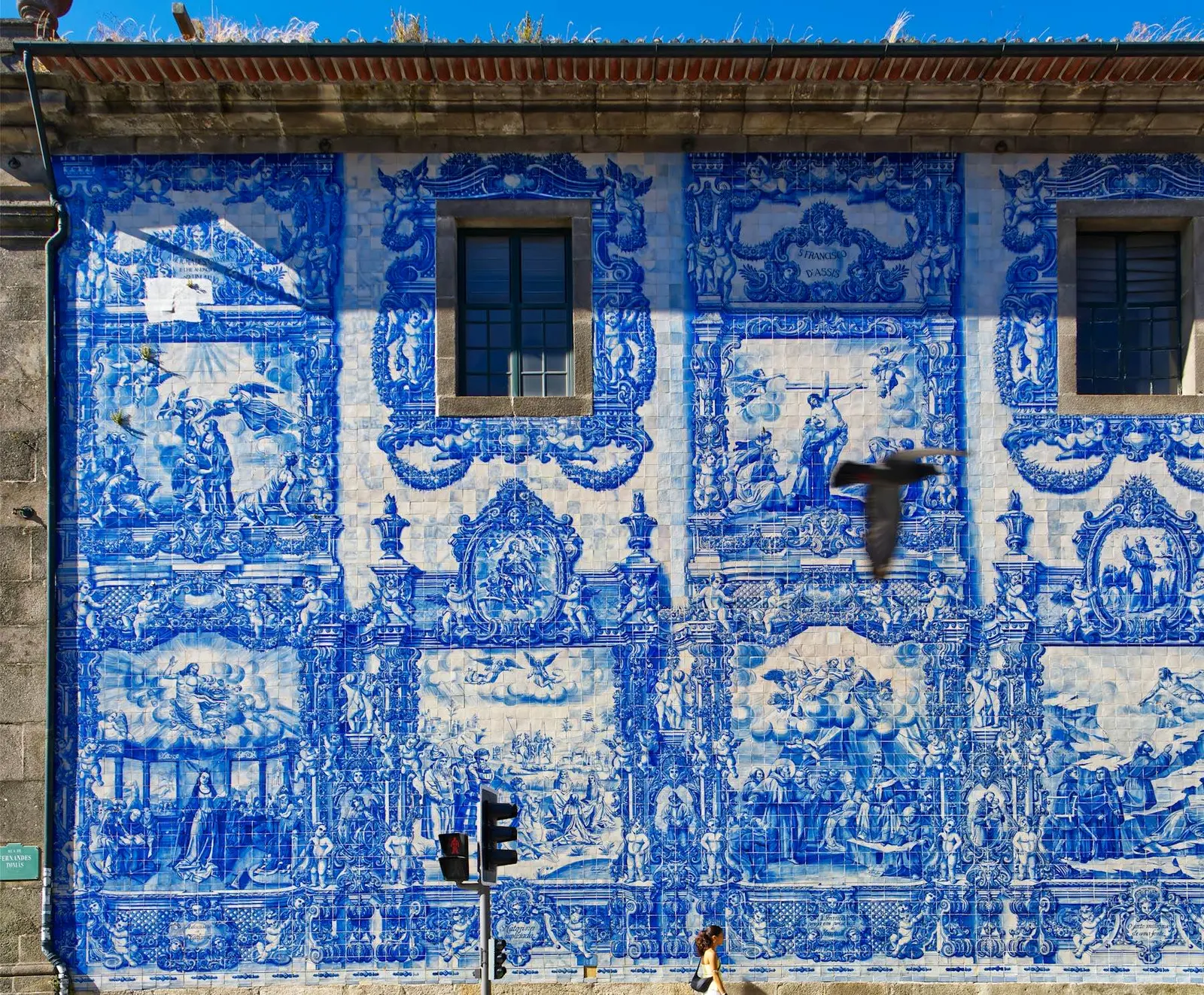
From the station it is a five-minute walk uphill to the Sé, Porto’s cathedral. The building itself is austere, more like a fortress, and the terrace in front is the first viewpoint on the route: from here you can see the rooftops of the old town and the river.
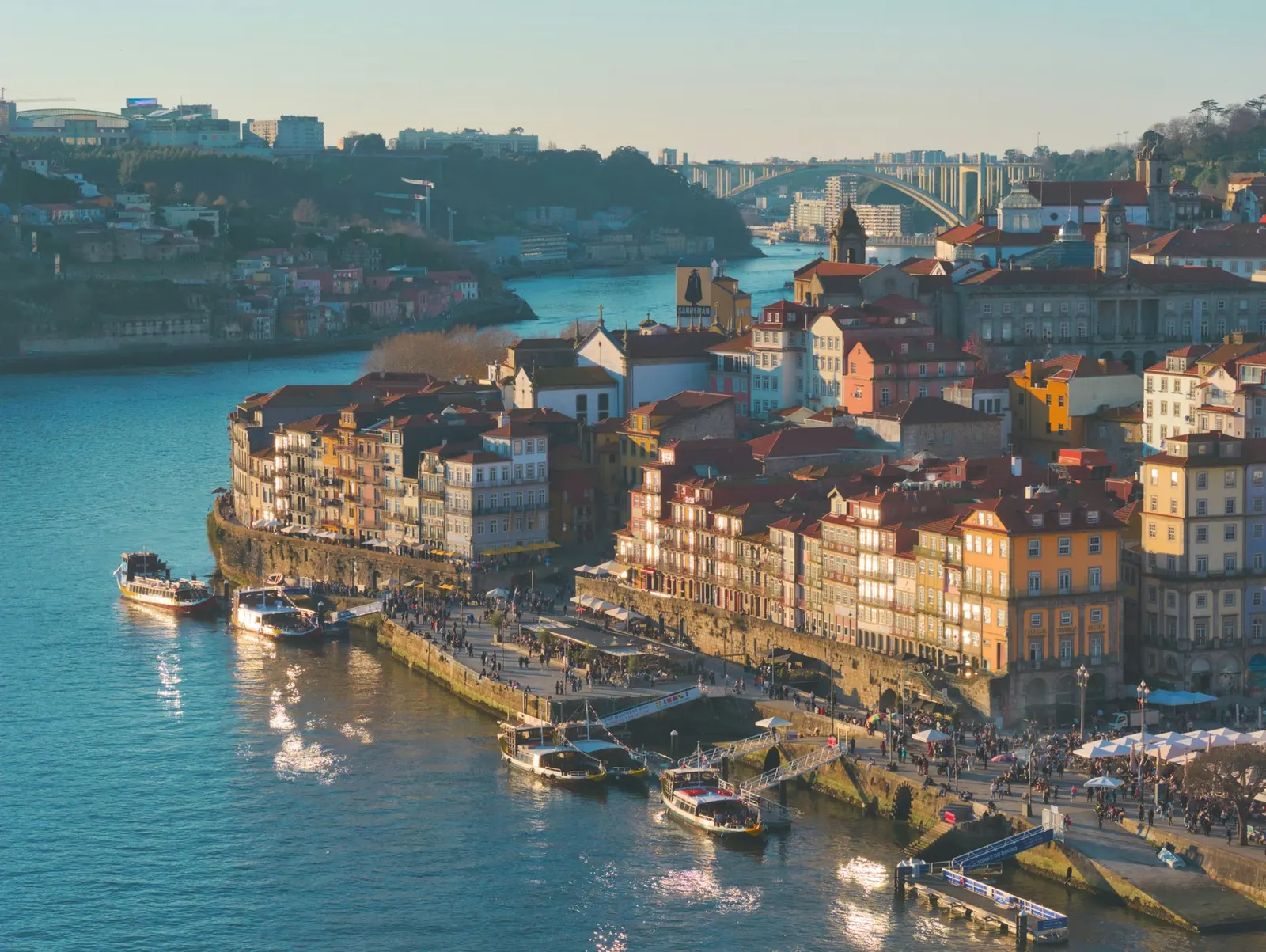
From the cathedral, take the steps down to the river. The Ribeira quarter is all tall, narrow houses with washing on the balconies and a quayside where buskers play all day. There is nothing you need to look for here: just follow the water towards the bridge.
Ribeira waterfront
Colourful houses right on the water and a view of the bridge; at its best towards evening
Open in MapsThe Dom Luís I bridge has two decks. The lower one carries cars and pedestrians, the upper one the metro and pedestrians, and it is from the top that you get the best view of both banks. Crossing is free.
Dom Luís I bridge
Cross on the upper deck: you can see the whole old town and the Douro from it
Open in Maps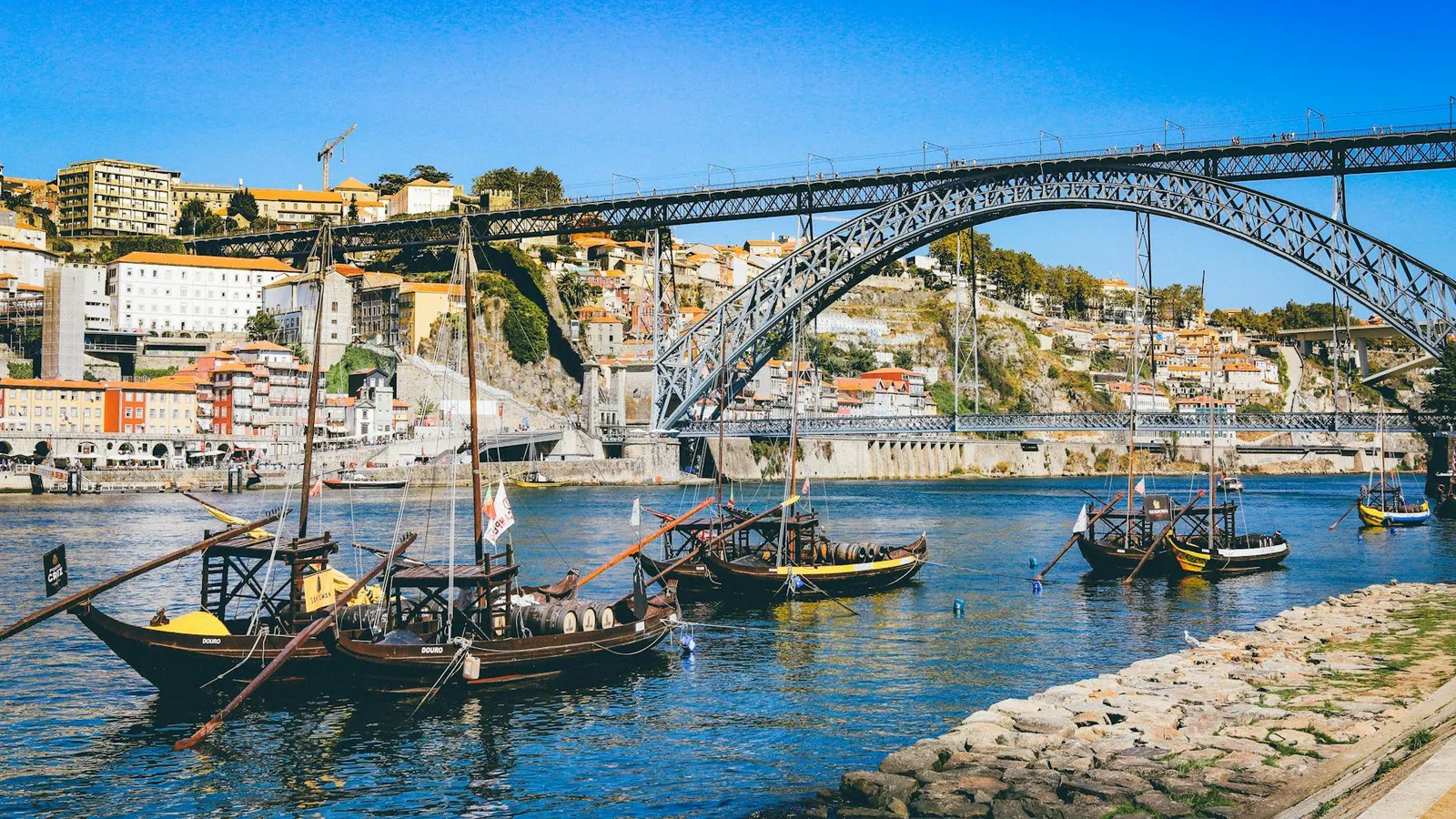
The opposite bank is a different city altogether: Vila Nova de Gaia. Just beyond the bridge is the Jardim do Morro, where half the city gathers towards sunset. From here you can see the whole of Porto, and there is no better place to end the daylight hours.
Down by the water are the cellars where port wine is aged. Almost all the houses run tours with a tasting; depending on the house and the selection of wines, expect to pay between €20 and €50. In high season and at weekends it is best to book ahead on the cellar’s website.
Port wine cellars in Gaia
Tour with a tasting; book ahead on the website of the house you choose
Open in Maps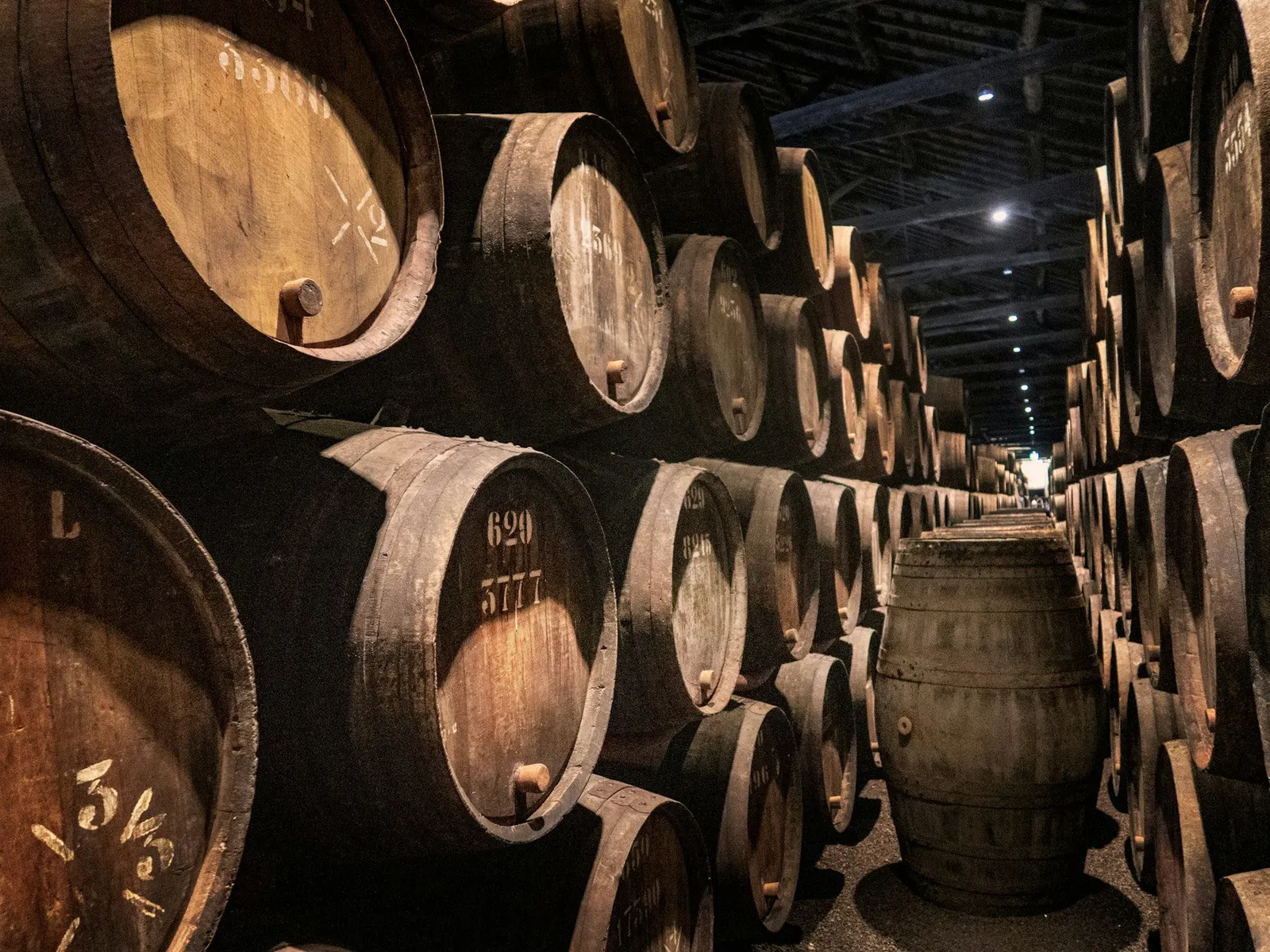
03Day two: a tower, books, a market and the ocean
Begin the morning at the Torre dos Clérigos. The way up is a narrow spiral staircase, but from the top you can see the whole city as far as the ocean. A ticket costs €10 and the tower is open daily from 9:00 to 19:00, with last entry half an hour before closing.
Torre dos Clérigos
A Baroque bell tower with a viewing platform; tickets €10, arrive at opening time
Open in MapsTwo minutes away is the Livraria Lello bookshop with its carved red staircase. Entry is by paid voucher, bought online for a specific time slot; its cost is deducted from the price if you buy a book. There is almost always a queue, so decide in advance whether you really need to see the interior.
Next door is the Igreja do Carmo, whose side wall is covered entirely in azulejos. Another famous tiled façade is the Capela das Almas on Rua de Santa Catarina; you can take a look on your way to the market, and entry is free.
Capela das Almas
A blue-and-white tiled façade on the Rua de Santa Catarina shopping street
Open in MapsThe Mercado do Bolhão has reopened after a major restoration and is once again a proper city market: fish, cheese, olives and flowers, with restaurants on the upper level. It is a convenient place for lunch. The market is closed on Sundays and public holidays.
If interiors are your thing, call in at the Palácio da Bolsa after lunch. You can only visit on a guided tour: it lasts about half an hour and costs €14, with groups in different languages setting off in turn. The main hall, the Arab Room, is covered from floor to ceiling in gilded carving.
Palácio da Bolsa
Guided tour only, €14; the Arab Room is the most lavish interior in the city
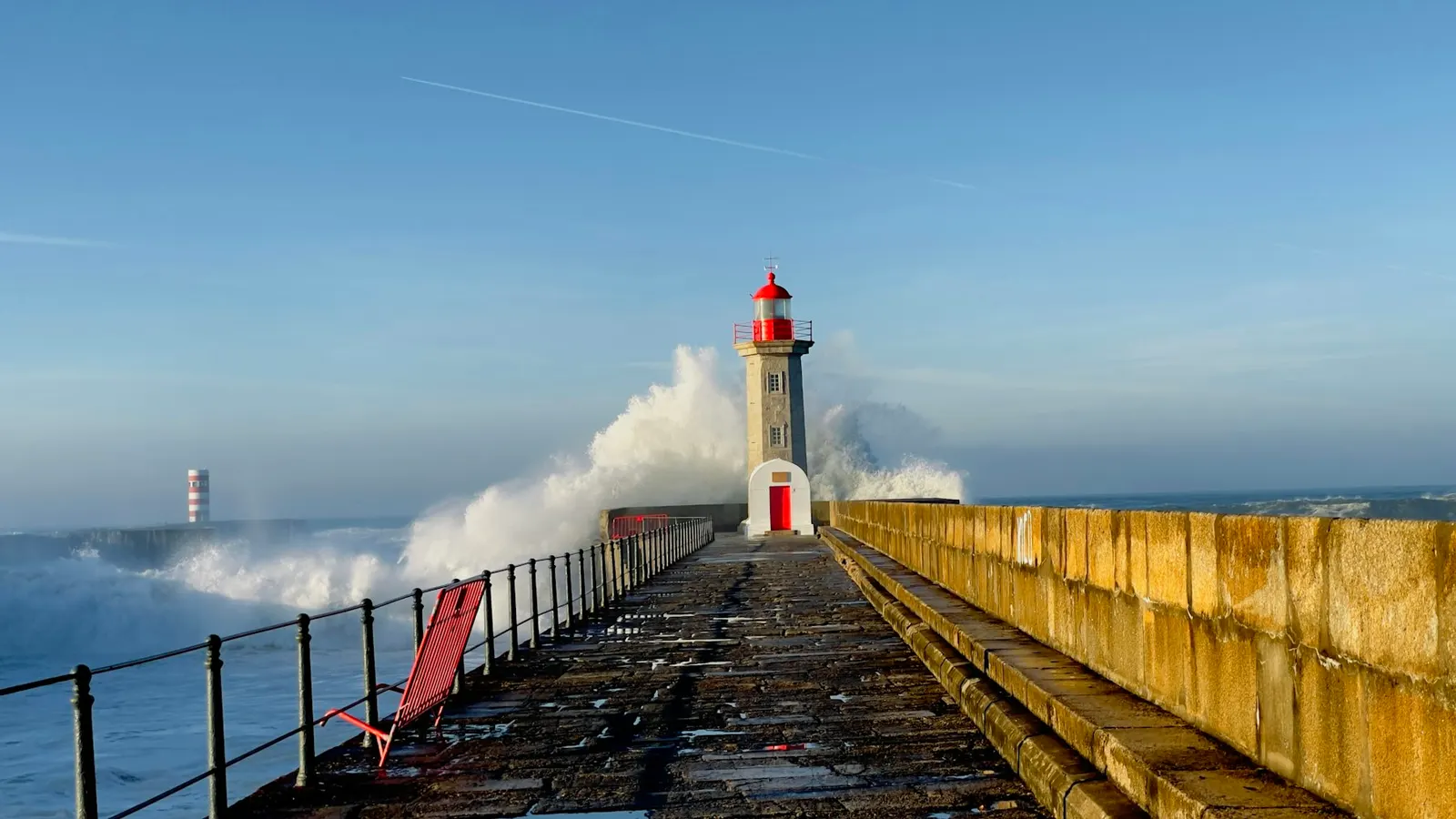
Open in MapsSpend the rest of the day by the ocean. Heritage tram no. 1 runs from the Infante stop by the river to the Foz district: a single ticket costs €6, and two journeys on the same day cost €8. Foz has a long promenade, a lighthouse on the breakwater and Atlantic waves; sunset here lasts half an hour longer than in the city.
04What to eat
The city’s signature dish is the francesinha: a hot sandwich of meat and sausages under melted cheese, drenched in a spicy tomato-and-beer sauce. Portions are large, and one is enough for two. Among the traditional dishes, try tripas à moda do Porto, a tripe stew with white beans, and bacalhau, salt cod, which is cooked here in dozens of ways.
For dessert, have a pastel de nata, a puff-pastry tart filled with custard. It comes from Lisbon, but Porto bakes it just as well.
05Practical details
The best time to visit is May, June, September and early October: warm, but without the July crowds. It often rains in Porto in winter, but the cellars and museums are quieter.
The city charges a tourist tax: €3 per person per night, for guests over 13 and for no more than seven consecutive nights. It is added to your bill at the hotel or apartment.
Bring flat shoes with non-slip soles. The cobbles are slippery after rain, and this route adds up to several hundred steps a day.
Turn this article into a trip
Save the places, add your bookings and get a day-by-day plan in Viaho.
This article in other languages: Español, Português, Français, Deutsch, Русский