Tips · Border
The EU border without stamps: how EES works and when ETIAS will arrive
Since 10 April 2026, passports are no longer stamped on entry to the Schengen area: the EES system, with fingerprints and a photo, has taken over. The ETIAS travel authorisation has not launched yet. Here is who is affected and what to expect at the border.
By Viaho · · 6 min read
On this page
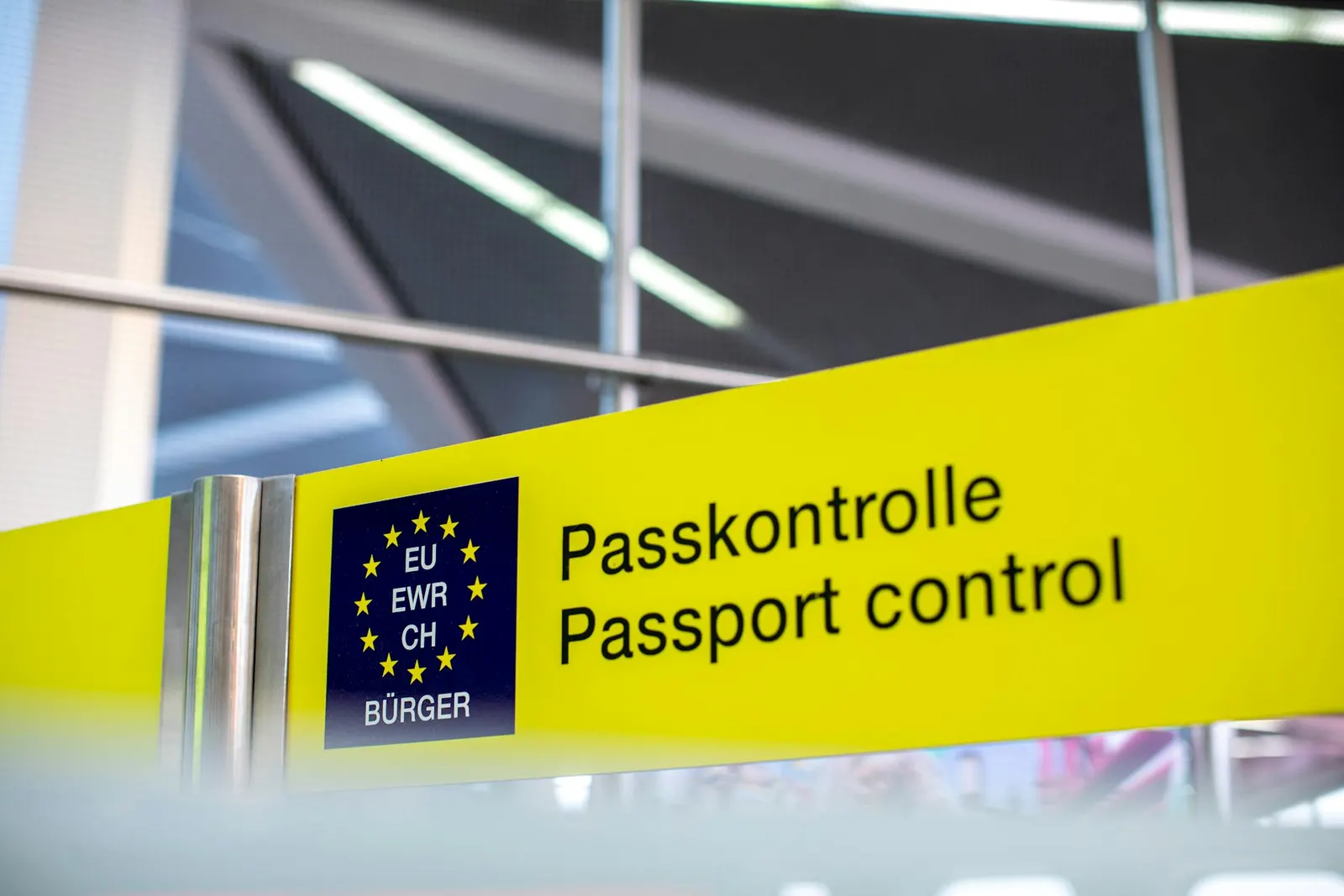
The European Union has two new systems for travellers from non-EU countries, and they are often confused. EES is the electronic registration of entries and exits at the border itself. ETIAS is a travel authorisation that you will have to obtain online in advance. The first is already up and running; the second is not. Everything below has been checked against the official portal travel-europe.europa.eu.
01EES: what it is and who it affects
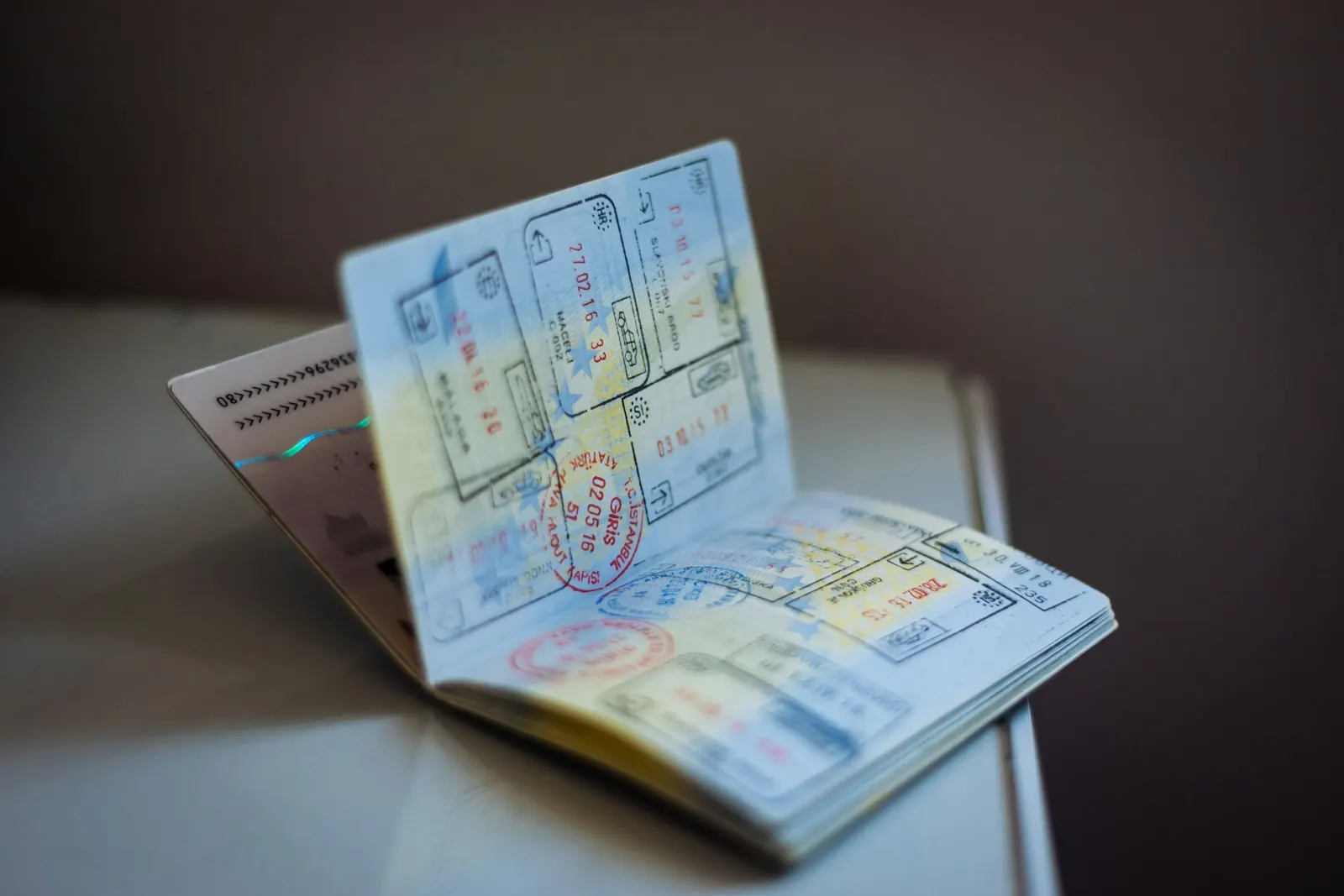
EES (Entry/Exit System) records every crossing of the external border: the date, the place, your passport details, a facial photograph and your fingerprints. The rollout began on 12 October 2025, and since 10 April 2026 the system has been operating at every border crossing point. From that same day, EES countries stopped stamping passports.
Registration applies to non-EU nationals coming for a short stay, both those who need a visa and those who travel without one. It does not apply to citizens of the EU, Iceland, Liechtenstein, Norway or Switzerland.
The system is used by 29 countries: every Schengen state, including Bulgaria and Romania, as well as Iceland, Liechtenstein, Norway and Switzerland. Cyprus and Ireland are not part of EES and continue to stamp passports.
02What it looks like at the border
The first time you enter after the system’s launch, a border officer or a self-service kiosk scans your passport, takes your photograph and records your fingerprints. This creates your digital file. On later trips a check is enough: your passport plus your face or a fingerprint.
You cannot refuse to give biometric data: refusal is grounds for being denied entry. The first registration takes longer than the passport check you are used to, so allow extra time on your first trip after a break, especially if you have a connection straight after passport control.
03How long the data is kept
Records of entries and exits are kept for three years. Your personal file with biometric data is kept for three years and one day after your last exit. If no exit was recorded, meaning the system believes you stayed longer than permitted, the file is kept for five years.
04The 90/180 rule is now counted by the system
The rule has not changed: without a long-stay visa or a residence permit, you can spend no more than 90 days in any 180-day period in the EES countries. It is a single counter for all 29 countries, not 90 days in each. Cyprus is counted separately.
What has changed is who does the counting. A border officer used to leaf through your passport and add up the stamps; now the system works out your remaining days automatically and flags anyone who has overstayed. The official website has a calculator where you can check how many days you have left.
05ETIAS: not launched yet
ETIAS is an electronic authorisation for citizens of countries that do not need a visa for the Schengen area. As of November 2026 the system is not in operation and is not accepting applications. The official website promises to announce the launch date several months ahead; no specific date is given there. The dates quoted by blogs and intermediaries have not been officially confirmed.
Here is what is already certain. The authorisation will cost €20; it is free for those under 18 or over 70. It will be valid for three years or until your passport expires, whichever comes first, and will allow multiple entries. Most applications are expected to be processed within minutes, but it can take up to four days, and longer still if additional documents are requested.
ETIAS will be required for citizens of 59 visa-exempt countries and territories, among them the United Kingdom, the United States, Canada, Australia, Japan, Israel, Brazil, Ukraine, Serbia and Georgia. Those who travel to Europe on a visa do not need ETIAS: they already have a visa.
06What to do before you travel
Check your passport’s expiry date: EES requires a valid document, and a biometric passport lets you use the self-service kiosks. Count your days under the 90/180 rule. On your first trip with EES registration, allow more time at the border than usual. And do not pay for ETIAS until the EU’s official website announces the launch.
Turn this article into a trip
Save the places, add your bookings and get a day-by-day plan in Viaho.
This article in other languages: Español, Português, Français, Deutsch, Русский